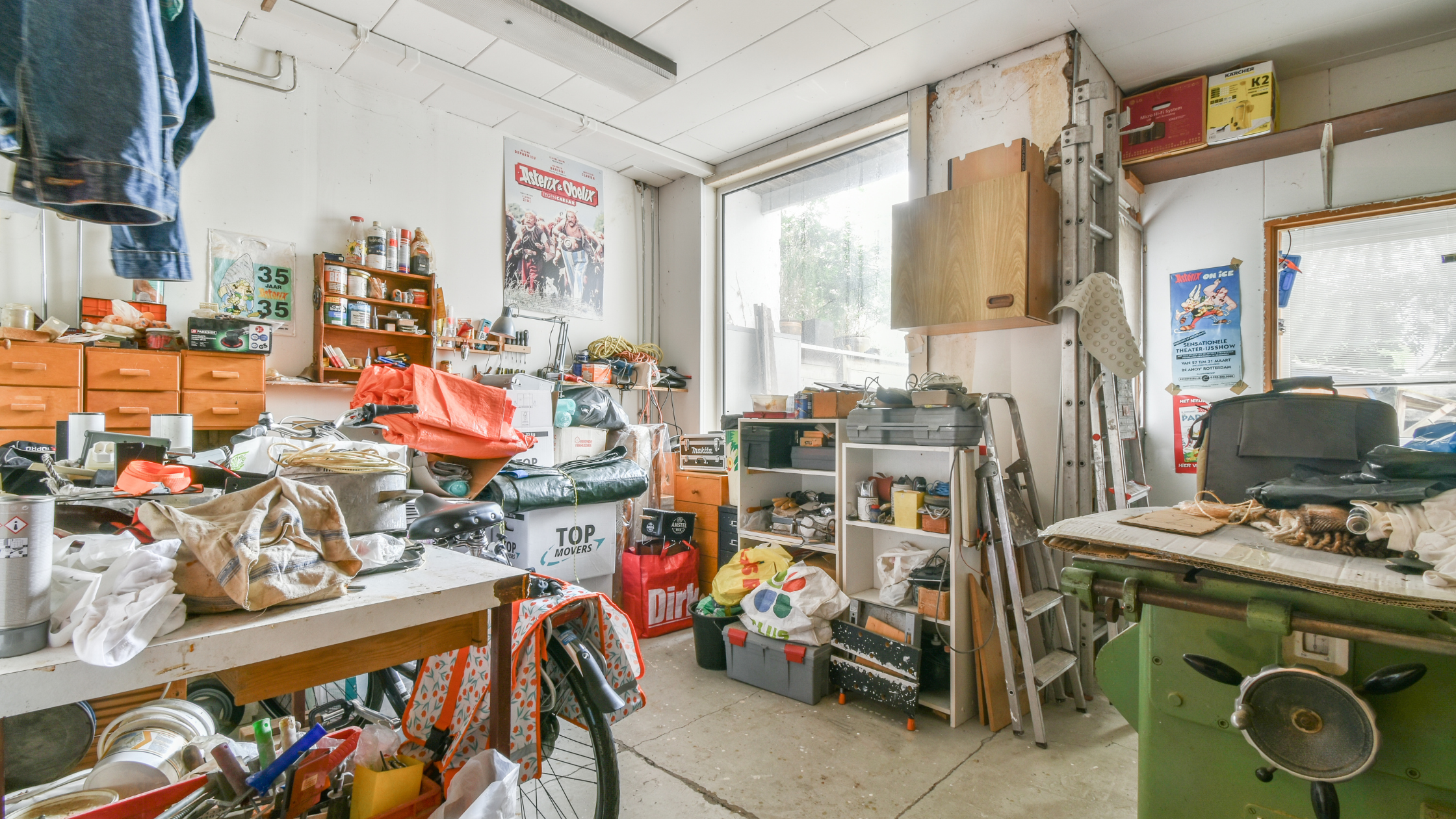
Every January begins with hope.
Hope that this will be the year you finally:
- Get control of your clutter
- Stop feeling overwhelmed by your possessions
- Make decisions without second-guessing yourself
- Follow through instead of starting—and stopping—again
If you’ve set similar goals before and struggled to maintain momentum, you’re not alone. And more importantly—you’re not failing.
Motivation Isn’t the Problem
Most people believe they just need more motivation.
But motivation is unreliable—especially when the goal involves:
- Emotional attachments
- Fear of making the “wrong” decision
- Guilt, grief, or anxiety
- Years (or decades) of accumulated possessions
When clutter is tied to emotions, history, and identity, motivation alone will never be enough.
Why Accountability Changes Everything
Accountability is often misunderstood as pressure or judgment.
In reality, healthy accountability is supportive, structured, and compassionate.
Accountability helps by:
- Keeping you engaged even when motivation drops
- Creating consistent progress instead of long gaps
- Providing encouragement when tasks feel emotionally heavy
- Helping you restart without shame when you get stuck
This is especially important for people who struggle with compulsive acquiring, difficulty discarding, or overwhelming clutter.
Why Doing This Alone Is So Hard
Many people feel they should be able to handle clutter on their own.
But clutter tied to emotion, trauma, or long-standing habits isn’t just a “stuff problem.”
It’s a thinking, feeling, and behavior problem—and those are much harder to change in isolation.
When you try to do this alone, it’s easy to:
- Avoid starting
- Get overwhelmed quickly
- Make little progress, then stop
- Feel discouraged or ashamed
Support doesn’t mean weakness.
It means giving yourself the structure and understanding needed for real change.
How Group Accountability Helps
One of the most powerful forms of accountability is group support.
In a structured, facilitated group:
- You’re not alone in your struggles
- You hear others voice thoughts you’ve never said out loud
- Progress feels possible because you see others making it
- Accountability feels encouraging—not punishing
This type of accountability creates momentum, confidence, and lasting change.
A Different Kind of Support: Buried in Treasures
For people who struggle with chronic clutter and hoarding behaviors, traditional decluttering advice often falls short.
That’s why programs like Buried in Treasures exist.
Rather than focusing on what to get rid of, this type of workshop focuses on:
- Understanding your relationship with possessions
- Identifying thoughts that keep you stuck
- Building decision-making skills
- Practicing gradual, supported change
- Staying accountable in a safe, non-judgmental environment
Accountability isn’t about being told what to do.
It’s about being supported while you learn how to change.
A Gentle Invitation
f you’re entering 2026 hoping things will finally be different—and you’ve struggled to make progress on your own—this may be the year to try something new.
Accountability, especially within a supportive group, can be the missing piece that helps you move forward with clarity, confidence, and compassion for yourself.
You don’t have to do this alone.
✨ Interested in learning more?
If you’d like information about my upcoming Buried in Treasures workshop and whether it’s a good fit for you, I’m happy to share more. Simply click on this link for all the details: https://atyourfingertipsorganizing.com/hoarding-workshop-support-group/
Support is available—and real change is possible.